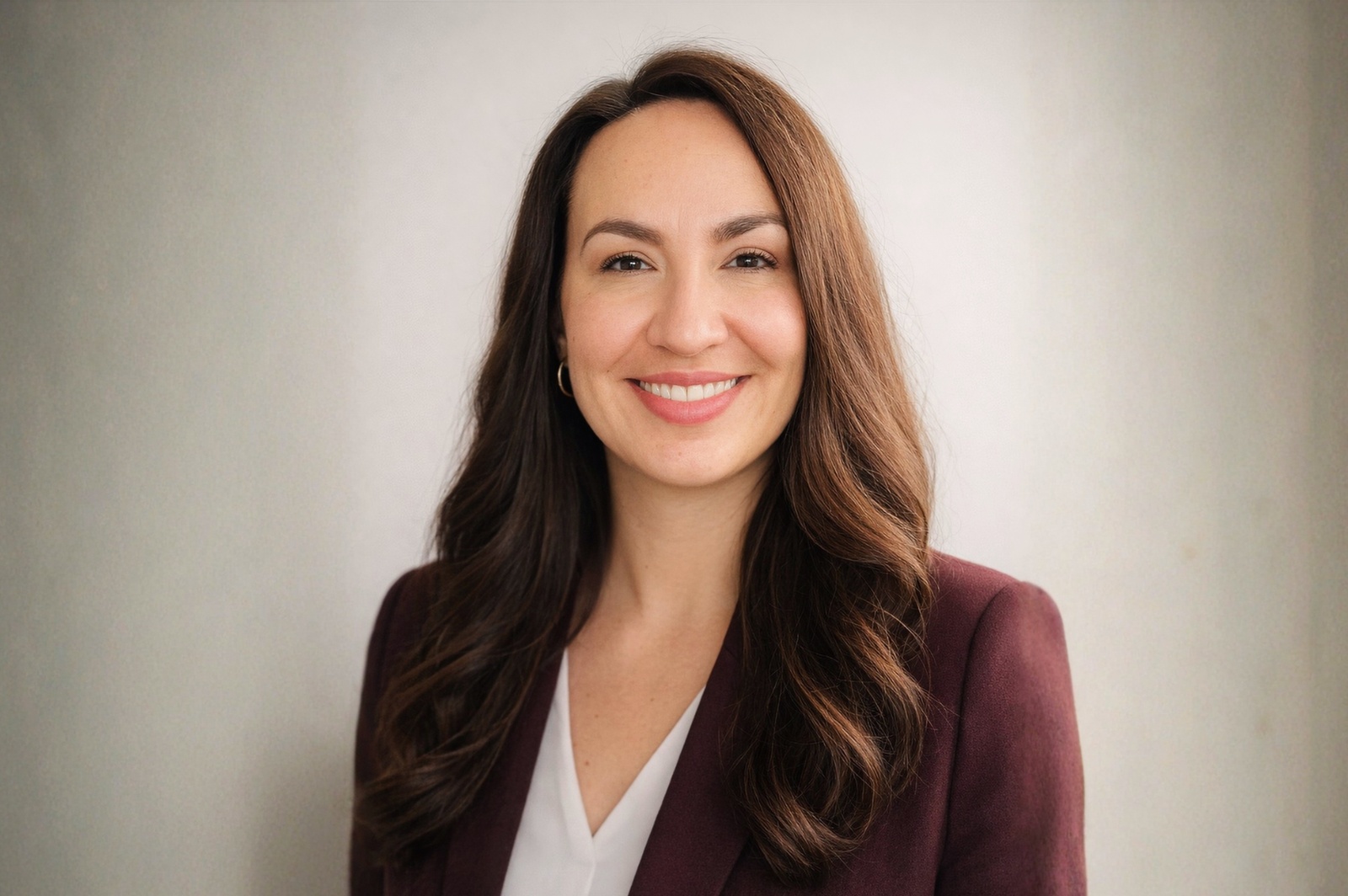
Interim CHRO and Fractional Head of HR for restructurings, leadership gaps and periods of significant change. I take responsibility from day one, work to clear deliverables and leave behind structures that hold without me.
Get in touch
Organisations call me when the situation is unclear – and when there is no more time to search for the right person at leisure.
Workforce reduction, reorganisation, efficiency programme – but no HR leader to drive it. The position is vacant or overwhelmed. The works council is waiting. The board needs decisions.
I take operational ownership from day one: setting priorities, naming risks, establishing governance.
Your CHRO or Head of HR has resigned or is unavailable. The search for a successor is underway – but day-to-day operations, open decisions and politically sensitive issues cannot wait.
I step in. Reliably. With immediate effect. And I leave behind a clean handover.
Your organisation is growing, merging or changing significantly – but HR is still reactive, without clear structure. Processes, roles and decision logic are missing.
I build what is needed. With an operating model that holds without me.
I don't operate as an external adviser – I take responsibility. Clear priorities from day one, direct alignment with the board, CFO and works council, and results that remain with the organisation.
I don't begin with an analysis phase. I begin with orientation, early signals and immediate operational capability. Who holds responsibility – and who holds it in practice? What is the visible problem – and what lies beneath it? Which decisions are stalled, and why?
By the end of day three, I know where it is actually burning.
I conduct a systematic diagnostic – operational and cultural. Stakeholder map, RACI, HR maturity assessment, data gathering. And conversations: with the HR team, line managers, works council. I listen for what does not appear in the org chart.
My interim assessment is not a problem list. It is a hypothesis – about what is really going on here.
Days 1–30: Understand and stabilise.
Immediate action where necessary, no intervention where the picture is not yet clear.
Days 31–60: Prioritise and shape.
Anchor HR strategy, set OKRs, begin structural changes.
Days 61–90: Deliver and prepare handover.
Concrete results. Documented systems. A clean exit – not as a conclusion, but as a mark of quality.
Typically 3–9 months. Full HR leadership responsibility at decision-making level – operational, strategic, mandate-ready.
Structurally impactful, without full-time overhead. For organisations that need strategic HR leadership without a full-time CHRO.
Clearly scoped. Restructuring, workforce governance, HR operating model design, works council negotiation.
What sets me apart from conventional interim managers: I do not create dependency. Every mandate ends with concrete tools, frameworks and documents – which your team can operate independently, without needing me.
This is not a promise. It is part of every mandate.
Three examples from my Interim and Fractional CHRO work. Focus: workforce governance, restructuring and scalable HR operating models – aligned with CFO, Legal and co-determination requirements. All mandates anonymised.
The restructuring plan existed. What was missing was the architecture to execute it – consistent headcount data, clear decision rules, and a governance rhythm that the CFO and board could rely on.
I entered with a 72-hour risk assessment and built the missing infrastructure: a monthly CFO steering cadence with KPI board and approval flow, a decision log for audit-sensitive people decisions, and a single source of truth reconciling HR and Finance definitions.
A workforce governance blueprint, a sequenced restructuring master plan, and implementation packs covering moves, grading and backfill standards – embedded as a standing executive operating rhythm.
HR was reactive and under-structured in a company growing faster than its processes. Hiring was inconsistent. Responsibilities were unclear. The organisation needed a foundation that could scale without breaking.
I built the operating model from the ground up: service catalogue, RACI, annual HR cadence, recruitment system with scorecards and hiring manager toolkit, and core people cycles for performance, compensation and onboarding. Talent and succession visibility was established for critical roles.
A 90-day roadmap with quick wins and scaling plan, a full recruitment playbook, a legally robust and co-determination-ready policy bundle, and cycle toolkits the team could run independently.
A large re-organisation was underway – but decisions were inconsistent, leaders were struggling with change communication, and HR, Legal, Finance and Communications were not integrated. The risk was execution drift at exactly the moment consistency mattered most.
I established a weekly steering forum across all four functions, defined the decision architecture with clear criteria and escalation paths, and introduced a manager toolkit covering difficult conversations, role clarity and communication templates. Works council alignment was structured end-to-end.
An integrated steering setup, a move/exit/fill process map and interface model, and a manager toolkit that outlasted the mandate – reducing exceptions and building execution confidence in the leadership layer.
I am a qualified psychologist specialising in Industrial and Organisational Psychology, with over 15 years in HR leadership – most recently as CHRO and board member. I have worked across DACH and international environments, in German and English, at board level and on the floor.
I know organisations from the inside: their pressure points, their dynamics, their blind spots. The gap between what an organisation says and what it actually does – that is what has driven me throughout my career.
Not as a diagnosis. As a reason to act.
I don't come to consult. I come to close that gap.
I look closely and say what needs to be said – even when it's uncomfortable.
If one of these situations matches yours – or if you're not yet sure whether an interim mandate is the right answer – get in touch.
In the first call we'll look at three things: what the situation actually is, whether I'm the right fit, and if yes, how we would start.